BPC-157 Drug Interactions
What Is BPC-157 and Why Do Interactions Matter
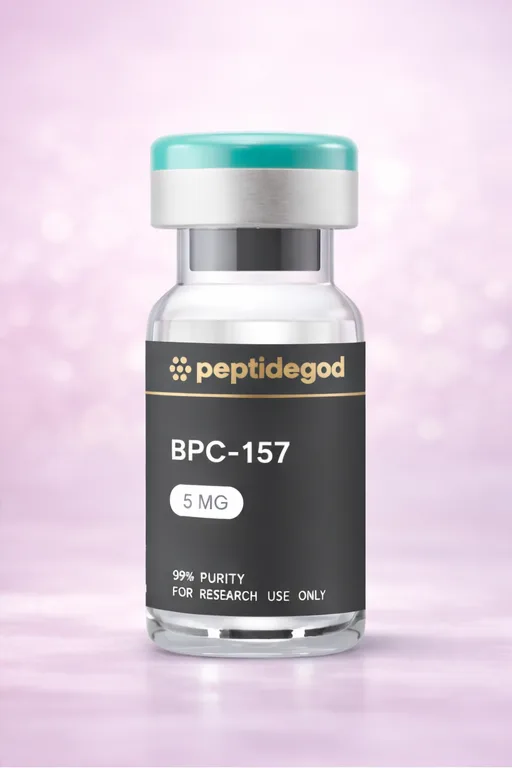
BPC-157, short for Body Protection Compound-157, is a synthetic pentadecapeptide derived from a protein found in gastric juice. It consists of 15 amino acids and has been studied extensively in animal models for its role in accelerating tendon, ligament, muscle, and gut tissue repair. While it is not an approved pharmaceutical in most jurisdictions, it is widely available as a research peptide and is used by individuals investigating its regenerative properties. Because BPC-157 exerts measurable biological activity — including modulation of nitric oxide pathways, angiogenesis, and neurotransmitter systems — understanding how it may interact with other compounds is an important part of responsible research. Failing to account for these interactions can complicate interpretation of experimental results and, in self-administration contexts, may contribute to unexpected bpc 157 side effects.
Interactions with Anti-Inflammatory and Pain Medications
NSAIDs such as ibuprofen and naproxen work by inhibiting COX-1 and COX-2 enzymes, reducing prostaglandin synthesis to blunt inflammation and pain. BPC-157 has been shown in rodent studies to partially counteract NSAID-induced gastrointestinal ulceration, suggesting overlapping activity at the mucosal level. When used alongside NSAIDs, BPC-157 may attenuate some of the gastric damage these drugs cause, but it could also mask symptoms that would otherwise signal overuse or gastrointestinal injury. Opioid analgesics present a different consideration: animal research indicates BPC-157 may modulate dopaminergic and serotonergic pathways, which are also affected by opioids. The practical implication for researchers is that combining BPC-157 with opioids could produce unpredictable behavioral and physiological outcomes in animal models, making data harder to interpret cleanly.
Interactions with Anticoagulants and Blood Pressure Medications
BPC-157 influences nitric oxide synthesis and promotes angiogenesis, both of which have downstream effects on vascular tone and blood flow. This raises relevant questions when it is studied alongside anticoagulants like warfarin or direct oral anticoagulants such as rivaroxaban. Theoretically, enhanced vascular activity from BPC-157 could alter bleeding dynamics, though no direct pharmacokinetic interaction studies in humans exist. Researchers using animal models on anticoagulant regimens should monitor for additive effects on hemostasis. Similarly, because BPC-157 has demonstrated hypotensive properties in some studies — attributed partly to its nitric oxide pathway activity — concurrent use with antihypertensive agents, including ACE inhibitors or beta-blockers, could produce compound reductions in blood pressure. This is a meaningful variable in any experimental design where cardiovascular parameters are being measured.
Interactions with Psychiatric and Neurological Compounds
One of the more nuanced areas of BPC-157 research involves its interactions with compounds that target the central nervous system. Studies have found that BPC-157 modulates dopamine and serotonin receptor activity and may influence GABAergic tone. This creates potential for interaction with antidepressants, particularly SSRIs and MAOIs, as well as with antipsychotics that act on dopamine receptors. In animal studies, BPC-157 has shown the ability to reverse or mitigate behavioral effects induced by both dopamine agonists and antagonists, suggesting it acts as a homeostatic modulator rather than a simple agonist or antagonist. For researchers designing neurological experiments, this means BPC-157 could confound results when administered alongside psychiatric medications. It also underscores why bpc 157 side effects in complex multi-drug protocols deserve careful consideration before any experimental design is finalized.
Interactions with Corticosteroids and Immunosuppressants
Corticosteroids such as prednisone and dexamethasone suppress inflammatory signaling broadly, which can slow tissue repair. BPC-157 has been studied precisely because of its ability to accelerate healing even in conditions of compromised physiology. When both compounds are present in a research model, their opposing effects on inflammation and repair create a dynamic that is difficult to control for experimentally. Immunosuppressants used in transplant research or autoimmune models similarly alter the biological environment in which BPC-157 would operate. Researchers should account for these confounding variables when designing protocols and interpreting tissue healing outcomes.
Alcohol, Stimulants, and Common Supplement Interactions
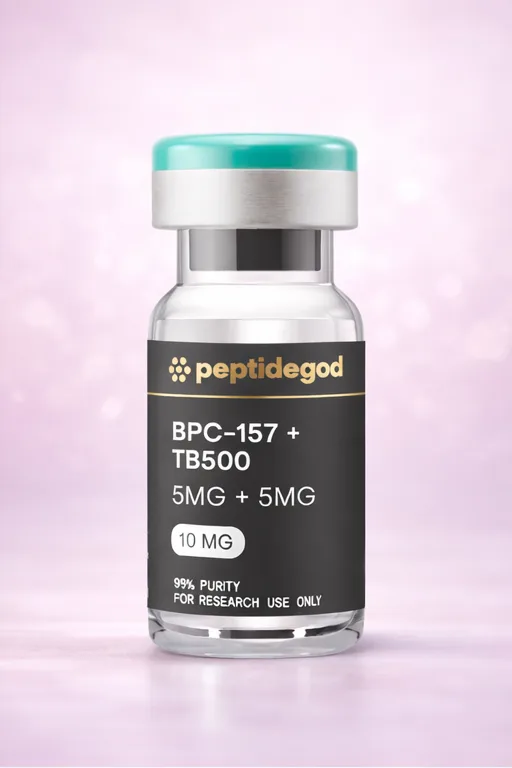
Animal research has examined BPC-157 in the context of alcohol toxicity, with some studies finding it attenuates alcohol-induced organ damage. This suggests a potential modulatory interaction at the hepatic level. Stimulants such as amphetamines, which act strongly on dopaminergic pathways, may interact with BPC-157 given its own dopaminergic activity. The combination has not been studied thoroughly, and outcomes in experimental settings are uncertain. At the supplement level, compounds like BPC-157 used alongside growth hormone secretagogues or other peptides introduce additional variables. Researchers cataloging bpc 157 side effects in multi-compound stacks should document each compound meticulously to isolate causative factors.
Key Considerations for Researchers
- BPC-157 is not FDA-approved and all referenced interactions are drawn from preclinical or animal research.
- Nitric oxide pathway modulation means cardiovascular drug interactions deserve particular attention in experimental design.
- CNS-active compounds, including antidepressants and antipsychotics, may have their effects altered by BPC-157's dopaminergic and serotonergic activity.
- Anticoagulant and anti-inflammatory drug combinations introduce hemostatic and gastric variables that should be controlled for in study protocols.
- Multi-peptide stacks increase interaction complexity exponentially and make it harder to attribute specific outcomes to any single compound.
This article is intended solely for informational and research purposes. It does not constitute medical advice, and BPC-157 should only be handled in accordance with applicable laws and institutional research guidelines.
 30 capsules.webp)
 60 capsules.webp)