Oral BPC-157 Side Effects
What Is Oral BPC-157 and Why Does the Route Matter?
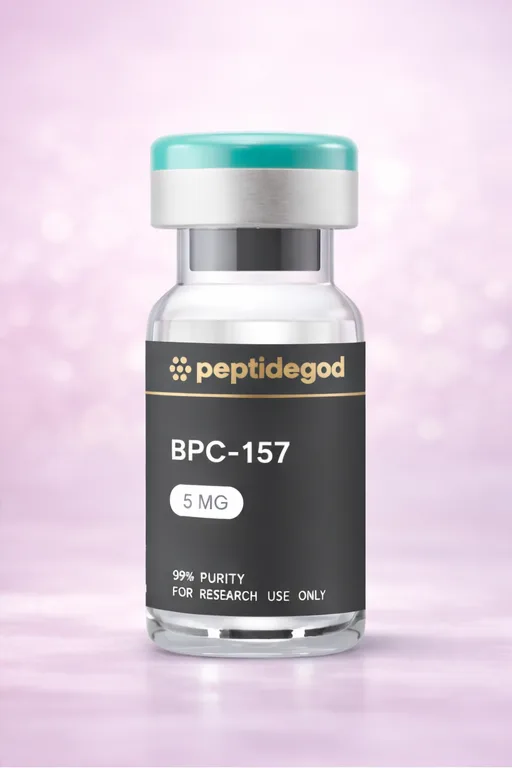
BPC-157 is a synthetic pentadecapeptide derived from a protein found in human gastric juice. Researchers have studied it extensively in animal models for its apparent ability to accelerate soft tissue healing, reduce inflammation, and support gut mucosal integrity. While most early research involved injectable forms, oral administration has gained attention because the peptide appears to retain bioactivity when delivered through the gastrointestinal tract, possibly due to its resistance to acid degradation at low concentrations.
The route of administration changes the pharmacokinetic profile significantly. Injected BPC-157 enters systemic circulation rapidly, while oral dosing exposes the compound first to the gut lumen and intestinal epithelium before any systemic absorption occurs. This distinction matters when evaluating bpc 157 side effects, because the local gastrointestinal exposure with oral dosing may produce different tolerability patterns compared to subcutaneous or intramuscular injection.
Commonly Reported Side Effects of Oral BPC-157
Human clinical data on oral BPC-157 remains limited, so most tolerability information comes from animal studies, self-reported experiences in research communities, and a small number of clinical observations. That context is important when interpreting the following findings.
- Nausea and stomach discomfort, particularly at higher doses or on an empty stomach
- Loose stools or mild diarrhea during the first few days of use
- Lightheadedness or a brief drop in blood pressure shortly after ingestion
- Vivid dreams or mild sleep disturbances reported anecdotally
- Transient fatigue in the hours following a dose
- Headache, most commonly reported in the early adjustment period
The majority of these effects appear to be dose-dependent and transient. In rodent studies, even doses far exceeding typical research ranges produced no observable organ toxicity or mortality, suggesting a wide safety margin in animal models. However, extrapolating this to human oral use requires caution.
Gastrointestinal Effects Specific to Oral Dosing
Because oral BPC-157 makes direct contact with the stomach lining and intestinal mucosa before reaching systemic circulation, its gastrointestinal effects deserve separate attention. Paradoxically, the peptide is being studied partly because of its apparent protective effects on gut tissue, including potential benefit in models of inflammatory bowel disease and leaky gut. Some researchers hypothesize that mild initial GI symptoms may reflect the peptide's interaction with local receptor systems rather than irritation or toxicity.
Transient cramping or bloating reported in the first week of oral use is the most frequently noted GI complaint. These effects tend to resolve as the body adjusts. Taking oral BPC-157 with a small amount of food has been noted in research community discussions as a strategy that reduces GI sensitivity for some subjects, though this approach has not been formally studied in controlled trials.
Hormonal and Neurological Considerations
Animal research has found that BPC-157 interacts with dopaminergic and serotonergic pathways. In some rodent studies it modulated dopamine receptor expression and influenced behavior in models of depression and addiction. These interactions raise questions about potential neurological effects in humans, including mood changes, altered motivation, or sleep architecture shifts. The vivid dream reports from research participants may be related to this serotonin system interaction, though this connection is speculative without direct human neuroimaging or receptor occupancy data.
Regarding hormonal effects, some preclinical data suggest BPC-157 influences growth hormone receptor activity and nitric oxide synthesis pathways. Whether oral dosing produces enough systemic exposure to meaningfully affect these systems in humans is not established. Individuals with hormone-sensitive conditions should treat this as a relevant unknown when considering bpc 157 side effects for their own research context.
What the Current Research Gap Means for Safety Assessment
The honest answer about the full side effect profile of oral BPC-157 is that the data is incomplete. Most published safety data comes from rodent models using intraperitoneal or intramuscular injection, not oral gavage in humans. The few human trials that exist used the peptide for specific GI conditions rather than systemic wellness applications, and formal adverse event tracking in those populations was limited in scope and duration.
Long-term effects of sustained oral use, drug interactions, and effects in populations with liver or kidney impairment are essentially unknown. This is not unique to BPC-157 among research peptides, but it represents a genuine gap in the safety literature. Researchers and institutions evaluating bpc 157 side effects in the context of human use should weigh this data absence carefully. The absence of reported serious adverse events in animal models and available human observations is a starting point, not a safety guarantee.
Practical Notes for Research Use
For those studying oral BPC-157 in a research context, the current literature supports starting with lower doses to assess individual tolerability before escalating. Monitoring for GI symptoms, blood pressure changes, and sleep quality changes in study subjects provides practical signal during early observation periods. Sourcing peptide from verified research-grade suppliers with third-party purity testing reduces the risk of side effects attributable to impurities rather than the compound itself, which is a confounding factor in many informal reports.
 30 capsules.webp)
 60 capsules.webp)