Is BPC-157 Safe?
What Is BPC-157 and Why Researchers Study It
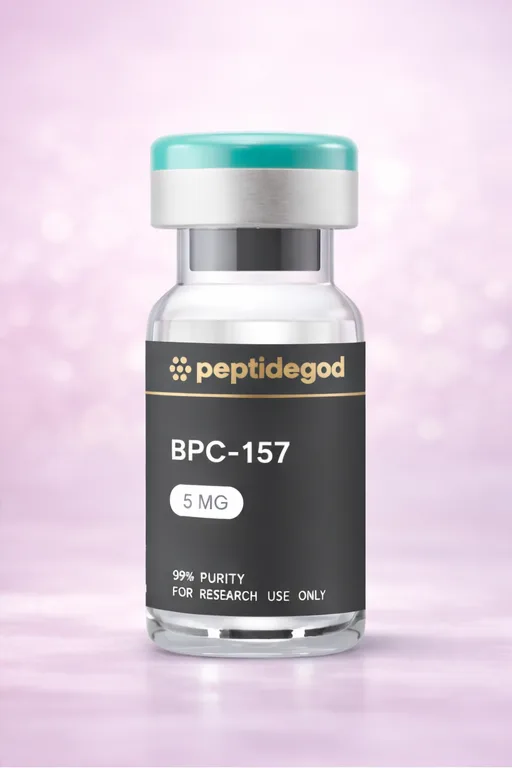
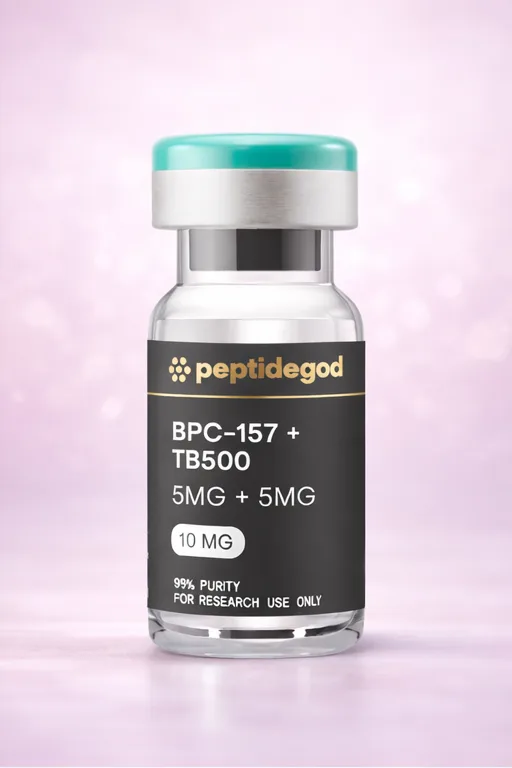
BPC-157 is a synthetic pentadecapeptide — a chain of 15 amino acids — derived from a protective protein found naturally in human gastric juice. Its full designation is Body Protection Compound 157, and it has been the subject of numerous preclinical studies examining its potential to accelerate tissue repair, reduce inflammation, and support healing across musculoskeletal, gastrointestinal, and neurological tissues. Most available research has been conducted in rodent models, which makes the question of human safety an active area of ongoing scientific inquiry.
Preclinical Safety Data: What Animal Studies Indicate
In animal studies, BPC-157 has demonstrated a notably broad therapeutic window. Research using both oral and systemic administration has found no observable lethal dose, even at quantities far exceeding typical research amounts. This suggests low acute toxicity compared to many other bioactive compounds studied for similar applications. Researchers have also noted an absence of significant organ toxicity markers in chronic dosing protocols carried out over multiple weeks in rodent subjects.
Preclinical safety data cannot be directly extrapolated to humans, however. Differences in metabolism, immune response, and peptide distribution between species mean that animal findings are a starting point for inquiry rather than a final verdict on human safety.
Reported BPC-157 Side Effects in Research and Anecdotal Contexts
Understanding the full picture of bpc 157 side effects requires distinguishing between what has been formally documented in controlled studies and what is reported anecdotally by individuals who self-administer the compound. In preclinical studies, adverse effects have been minimal: transient nausea and mild gastrointestinal discomfort appear in a subset of animal studies, particularly at high doses. No significant cardiovascular, hepatic, or renal toxicity signals were consistently flagged across the available literature.
Anecdotal accounts from self-experimenters describe a similar pattern. The most commonly mentioned bpc 157 side effects include temporary nausea, brief dizziness following injection, and mild site irritation with subcutaneous or intramuscular administration. These effects are generally described as short-lived and dose-dependent, resolving without medical intervention.
Key Safety Gaps and Ongoing Concerns
Absence of Long-Term Human Data
The most significant gap in BPC-157's safety profile is the near-complete absence of long-term human clinical data. No Phase II or Phase III trials have been completed and published examining chronic human exposure. Because BPC-157 appears to modulate nitric oxide pathways and upregulate certain growth factors, researchers have raised theoretical concerns about its potential to promote unwanted cell proliferation in individuals with pre-existing conditions. This remains a hypothetical concern rather than an established finding, but it underscores the urgency of rigorous human trials before any clinical conclusions can be drawn.
Route of Administration and Purity Variables
BPC-157 is studied via oral, subcutaneous, intramuscular, and intranasal routes. Oral preparations are generally considered the lower-risk option for gastrointestinal applications. Injectable preparations introduce additional variables: sterility of the reconstituted compound, injection technique, and site infection risk. These risks are independent of the peptide molecule itself but are practically inseparable from safety assessments in real-world research settings. Researchers using injectable forms must apply strict aseptic protocols.
Sourcing, Purity, and Regulatory Status
A substantial portion of the safety conversation around BPC-157 relates to the quality of commercially available research-grade preparations rather than the peptide itself. Because BPC-157 is not approved by the FDA or EMA as a pharmaceutical, it is produced by synthesis laboratories with varying quality standards. Impurities such as residual solvents, bacterial endotoxins, or sequence errors can generate adverse effects that would be incorrectly attributed to BPC-157. Researchers should prioritize suppliers who provide third-party certificates of analysis confirming purity, sequence accuracy, and endotoxin levels.
Regulatory bodies in most jurisdictions classify BPC-157 as a research chemical — legal to acquire for investigational purposes but not approved for human therapeutic use outside formal clinical trial frameworks. This classification means quality oversight is supplier-driven rather than government-enforced.
Summary of Current Evidence
Based on available preclinical data, BPC-157 presents a favorable preliminary safety profile within the dose ranges studied in animal models. It does not exhibit the acute organ toxicity or genotoxicity signals that typically halt further research development. The gap between promising preclinical findings and the absence of robust human trials remains the central unresolved question in any honest safety assessment of this compound.
- No established lethal dose identified in animal models across multiple administration routes
- Mild and transient side effects most commonly reported at elevated doses
- Long-term human safety data is absent from peer-reviewed literature
- Peptide purity from the manufacturer is a primary variable in real-world safety outcomes
- Currently classified as a research compound in most regulatory jurisdictions
Researchers and institutions evaluating BPC-157 for investigational use are encouraged to monitor the evolving literature closely. Until controlled human studies are completed and published, the safety profile of BPC-157 in humans remains extrapolated from animal data rather than directly established — a distinction that carries significant weight for responsible research practice.
 30 capsules.webp)
 60 capsules.webp)