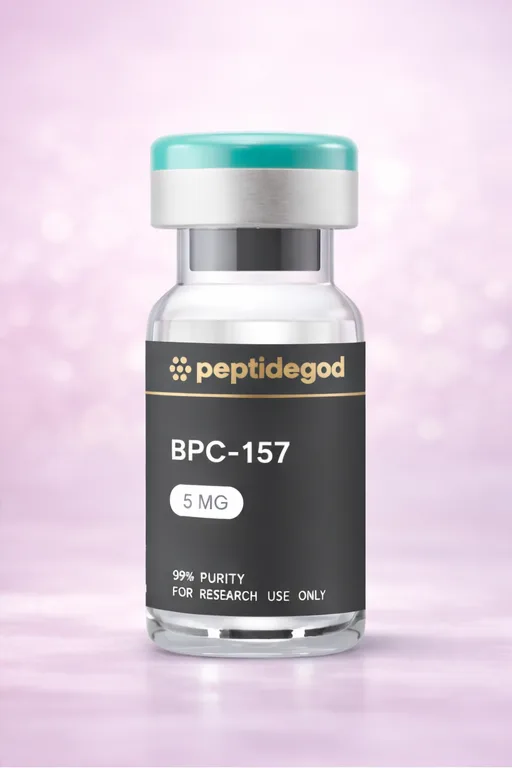
BPC-157 vs Steroids Safety
Understanding the Two Compounds
BPC-157 is a synthetic pentadecapeptide composed of 15 amino acids, derived from a protective protein sequence originally isolated from human gastric juice. It does not occur naturally at the concentrations used in research, but its partial sequence mirrors a body protection compound first identified in gastric secretions. In preclinical models, it has been studied for its effects on tendon and ligament repair, gut healing, angiogenesis, and modulation of nitric oxide pathways. Anabolic-androgenic steroids, by contrast, are synthetic derivatives of testosterone designed to amplify androgen receptor signaling, promoting muscle hypertrophy and accelerating nitrogen retention. The two compounds operate through fundamentally different biological mechanisms, which directly shapes their risk profiles.
How Steroids Affect the Body's Regulatory Systems
Exogenous anabolic steroids suppress the hypothalamic-pituitary-gonadal axis. When synthetic androgens are detected in circulation, the hypothalamus reduces gonadotropin-releasing hormone output, which in turn depresses luteinizing hormone and follicle-stimulating hormone from the pituitary. The result is testicular atrophy and endogenous testosterone suppression that can persist for months after cessation. Long-term steroid use is also linked to left ventricular hypertrophy, dyslipidemia with suppressed HDL cholesterol, erythrocytosis, hepatotoxicity with oral 17-alpha alkylated compounds, and androgenic effects including alopecia, acne, and virilization in female users. These are not rare edge-case outcomes. They emerge predictably from the pharmacology because steroids directly hijack hormonal feedback loops that regulate cardiovascular, reproductive, and metabolic function.
BPC-157 Side Effects: What Research Shows
The bpc 157 side effects profile documented in available preclinical literature is notably sparse compared to steroids. Rodent studies involving subcutaneous, intraperitoneal, and oral administration across a range of doses have not produced the organ toxicity patterns seen with androgens. No suppression of endogenous testosterone has been reported. No hepatotoxic signal has emerged in liver panels from animal studies. Because BPC-157 does not bind to androgen receptors, estrogen receptors, or glucocorticoid receptors in the same manner as steroids, it does not trigger the downstream endocrine disruption that defines steroid risk. That said, the compound lacks long-term human clinical trial data. Most evidence is confined to animal models, with some case reports and anecdotal human data circulating in research communities. Extrapolating rodent safety data to humans carries inherent uncertainty.
The most commonly noted bpc 157 side effects in informal human reports include transient nausea following injection, mild dizziness, and localized irritation at the injection site. None of these have been systematically characterized in controlled human trials. The absence of documented serious adverse events is not the same as a confirmed clean safety profile — it reflects the current limits of available research rather than a definitive verdict.
Mechanism Differences That Drive Safety Outcomes
The divergence in risk profiles between BPC-157 and steroids stems from where each compound intervenes in physiology. Steroids operate upstream, substituting for endogenous hormonal signals and suppressing natural production at the source. BPC-157 appears to work through more localized modulatory pathways: upregulating growth hormone receptor expression in tendon fibroblasts, promoting vascular endothelial growth factor release, and interacting with the nitric oxide system without acting as a primary hormonal driver. This means it does not create the same feedback suppression that makes steroid use recovery a clinical challenge. It also means the systemic exposure risks — cardiovascular remodeling, hematological changes, reproductive axis shutdown — are not replicated through BPC-157's known mechanisms.
- Steroids bind androgen receptors systemically; BPC-157 does not function as a receptor agonist in the same pathway
- Steroids suppress HPG axis function; no equivalent suppression is documented with BPC-157
- Oral 17-alpha alkylated steroids impose hepatic stress; BPC-157 shows no comparable hepatotoxic signal in animal models
- Steroids alter lipid panels predictably; BPC-157 research shows no such cardiovascular lipid effect
- Recovery from steroid use may require post-cycle therapy; no analogous endocrine recovery protocol is associated with BPC-157
Research Gaps and Responsible Framing
Comparing BPC-157 and steroids on safety is partly an exercise in comparing a compound with decades of human pharmacovigilance data against one that has not yet completed Phase II human trials. The steroid risk profile is well-characterized because millions of people have used these compounds and outcomes have been tracked. The bpc 157 side effects picture is incomplete because large-scale human studies simply have not been conducted. This asymmetry matters. A compound appearing safe in rodent models and informal human reports may carry risks that only emerge over years of use or at specific dosing regimens not yet studied. Researchers and individuals investigating BPC-157 should treat current safety data as preliminary rather than conclusive. The absence of known serious adverse events is a meaningful starting point, but it is not a guarantee of long-term safety across all populations and contexts. Both compounds warrant continued rigorous study before any definitive safety hierarchy can be established with clinical confidence.
 30 capsules.webp)
 60 capsules.webp)