Who Should Avoid BPC-157
What BPC-157 Is and Why Caution Matters
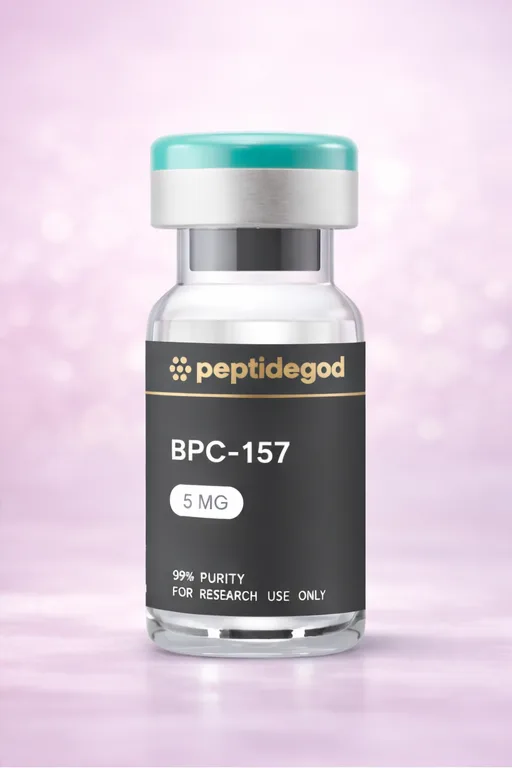
BPC-157 is a synthetic 15-amino-acid peptide studied in preclinical models for tissue repair, angiogenesis, and gastrointestinal healing. Its mechanisms include upregulation of vascular endothelial growth factor, modulation of nitric oxide synthesis, and influence on dopaminergic and serotonergic signaling. No completed human clinical trials have established its safety profile across all populations, and the bpc 157 side effects landscape in vulnerable groups remains largely uncharacterized. That gap in evidence defines which individuals should avoid it entirely, rather than treating the absence of documented harm as permission to proceed.
People With Active or Historical Cancer
BPC-157's pro-angiogenic activity is its most significant concern for oncology populations. Animal studies confirm it promotes new blood vessel formation through VEGF-related pathways—the same mechanism that supports tumor vascularization and proliferation. No human study has tested whether BPC-157 accelerates malignant progression, but the mechanistic overlap with tumor biology is sufficient to warrant avoidance in anyone with an active malignancy, recent cancer diagnosis, or history of angiogenesis-dependent tumors. This includes breast, prostate, ovarian, and colorectal cancers, where vascular dependence is well established. The same angiogenic signaling that facilitates tendon and gut repair cannot be selectively directed away from tumor tissue, making this population one of the clearest contraindications in the research literature.
Pregnant and Breastfeeding Individuals
Reproductive safety data for BPC-157 does not exist in humans. No teratogenicity or embryotoxicity studies have been completed, and the peptide's effects on placental angiogenesis and fetal circulation remain entirely unknown. Fetal vascular development depends on tightly controlled VEGF signaling, and any compound that modulates this pathway without a defined safety margin represents an unacceptable unknown in pregnancy. Whether BPC-157 or its metabolites transfer into breast milk is also unstudied. Standard precautionary pharmacology recommends against incompletely characterized compounds during pregnancy or lactation, and BPC-157 falls clearly into that category. The absence of evidence of harm is not the same as evidence of safety in these populations.
Individuals on Anticoagulant or Antiplatelet Therapy
Preclinical data indicates BPC-157 influences platelet aggregation and fibrinolytic pathways. For individuals already using anticoagulants such as warfarin, apixaban, or rivaroxaban, or antiplatelet agents including clopidogrel or high-dose aspirin, this creates an unstudied drug-peptide interaction with real bleeding risk implications. No formal pharmacokinetic or pharmacodynamic interaction studies have been conducted in this context. This is one of the underappreciated bpc 157 side effects concerns: not a direct toxic effect of the peptide itself, but a potential potentiation of existing medication. Anyone managing anticoagulation for atrial fibrillation, pulmonary embolism, or mechanical heart valves should treat this uncharacterized interaction risk as a firm contraindication until controlled data exists.
Those With Hormone-Sensitive or Autoimmune Conditions
Hormone-Sensitive Conditions
BPC-157 interacts with dopaminergic, serotonergic, and GABAergic systems and has shown indirect effects on growth hormone release pathways in rodent studies. Individuals with pituitary disorders, polycystic ovarian syndrome, adrenal insufficiency, or other hormone-sensitive conditions exist in a context where these signaling interactions have not been characterized. The downstream consequences of introducing a compound that affects neurotransmitter systems in an already dysregulated endocrine environment are unknown. The lack of data here is itself a contraindication, not a neutral finding.
Active Autoimmune Disease
BPC-157's immunomodulatory effects—demonstrated in injury models primarily as anti-inflammatory—may behave unpredictably in the heterogeneous immune environments present in rheumatoid arthritis, lupus, multiple sclerosis, or inflammatory bowel disease. Suppressing one arm of an already dysregulated immune response without understanding broader downstream effects introduces an unquantified variable. Researchers evaluating peptide safety consistently identify autoimmune populations as a priority gap in the existing BPC-157 literature.
Summary of High-Risk Groups
The following populations face the highest concern or the most significant data gaps when considering this peptide for research use:
- Individuals with active malignancy or a history of angiogenesis-dependent cancers
- Pregnant or breastfeeding individuals due to complete absence of reproductive safety data
- People using anticoagulants or antiplatelet medications without specialist oversight
- Those with diagnosed hormone-sensitive conditions or active autoimmune disease
- Pediatric populations, for whom no dosing parameters or safety data have been established
Responsible engagement with bpc 157 side effects research means identifying who is outside the boundaries of current evidence, not just who has tolerated the compound anecdotally. This article is for informational and research purposes only and does not constitute medical advice. Consult a qualified healthcare professional before considering any peptide compound.
 30 capsules.webp)
 60 capsules.webp)